
Bathroom fitting labour is one part of the bill. Checkatrade's June 2026 UK guide puts installation labour at £1,500 to £3,000, but the source does not clearly state VAT treatment. That is an external benchmark, not a Belmax price or measured Rugby average. Before comparing quotations, separate fitting from the suite, preparation, specialist work and finishing. A lower total means little if you must organise several missing tasks yourself. This guide focuses on the labour boundary and the decisions that change it. For a Rugby bathroom, use it to prepare a consistent brief before asking anyone to price the work.
The short answer
Compare the fitting scope before the headline price
For a Rugby bathroom, start with a written fitting scope rather than a day rate alone. Identify who supplies the suite, prepares surfaces, handles plumbing and electrics, tiles, removes waste and completes finishing. National published labour figures are only orientation, with VAT checked separately. A room survey and agreed specification are needed before a builder can price your particular installation.
Read the benchmark as a labour allowance
A fitting labour figure and a complete bathroom price describe different budgets.
Checkatrade, updated June 2026 and checked on 24 October, lists UK bathroom fitter day rates of £320 to £480, installation labour of £1,500 to £3,000 and a typical new bathroom including materials at £5,500 to £8,000. Its headline table does not clearly establish whether these amounts include VAT. Keep that uncertainty attached to the figures.
These national bands are not a Rugby survey, a minimum price or an offer from Belmax. Do not divide a project labour band by a day rate to predict a completion date: the job may involve different people, responsibilities and return visits. Ask the person quoting to explain their own pricing basis.
The FMB separately cites Passmore Group at £5,000 to £10,000 for improving an existing suite and from £12,000 for a complete renovation. Those are another business's scope-dependent examples, with VAT not established in the article. They illustrate why a renovation total cannot stand in for a fitting-only allowance.
Use the whole bathroom renovation guide for the broader budget. Here, keep a separate line for installation and ask exactly which associated tasks it covers. If a price is provisional, record what information would turn it into a firmer figure before ordering the suite.
If you accept work on a day-rate basis, agree what counts as a chargeable day, how attendance is recorded and how materials or additional trades are authorised. Ask when you will receive a running total and how a likely overrun will be raised. Write down any agreed spending limit and the point at which further permission is needed. This is a way to define the arrangement, not evidence that a day rate will cost less than a fixed quotation.
Check the guidance: Checkatrade: June 2026 bathroom fitter costs, FMB: bathroom renovation cost breakdown.
Make a fitting responsibility sheet
Every task needs an included price, an explicit exclusion or a named person responsible.
Prepare one sheet and send the same version to each prospective contractor. Start with the room as it exists, then list the intended changes. Mark a task included only when the quotation describes it. A blank cell is an unanswered question, not a free extra or proof that the work is unnecessary.
Use the worksheet below to separate labour, products and decisions. For example, a bath purchase does not by itself say who supplies its waste fitting or connects it. Ask for the required components to be identified before delivery. Where the contractor supplies them, have that responsibility recorded beside the product reference.
Agree what ready for fitting means if you organise preparation yourself. Ask the fitter which surfaces, measurements and access conditions they need before starting. Record who checks readiness and what happens if it is not achieved. This avoids two suppliers each expecting the other to finish an unpriced stage.
For a Rugby refit, include access through the house, parking arrangements you can actually provide and where deliveries may be stored. Give these as facts about your property, not assumptions about the neighbourhood. Use the quotation checklist to keep the responsibilities with the price.
| Work package | Confirm in writing | Record separately |
|---|---|---|
| Old bathroom | Removal, isolation and waste responsibility | Anything the owner must arrange |
| Preparation | Walls, floor and specified waterproofing system | Unknown condition and inspection point |
| Installation | Fixture references and connection scope | Products and small components supplied |
| Specialist work | Electrical, drainage and ventilation responsibilities | Approval route and documents |
| Finishing | Tiling area, trims, sealing and decoration | Items excluded from the fitting total |
| Handover | Checks, instructions and outstanding items | Who resolves each remaining task |
Set the layout and product decisions first
An unchanged footprint does not guarantee an unchanged installation scope.
Give the fitter a marked plan showing what stays and what moves. Identify the toilet, basin, bath, shower, radiator and fan, together with the proposed products. Ask which changes require investigation before a reliable quotation is possible. Avoid purchasing around an assumed pipe route that nobody has assessed.
Keep a product schedule with a link, model reference, dimensions and supply responsibility. Record whether the price assumes standard fittings or a particular item. If you later choose something different, ask for the installation implications before accepting the substitution. The purchase-price difference may not be the only change to the project.
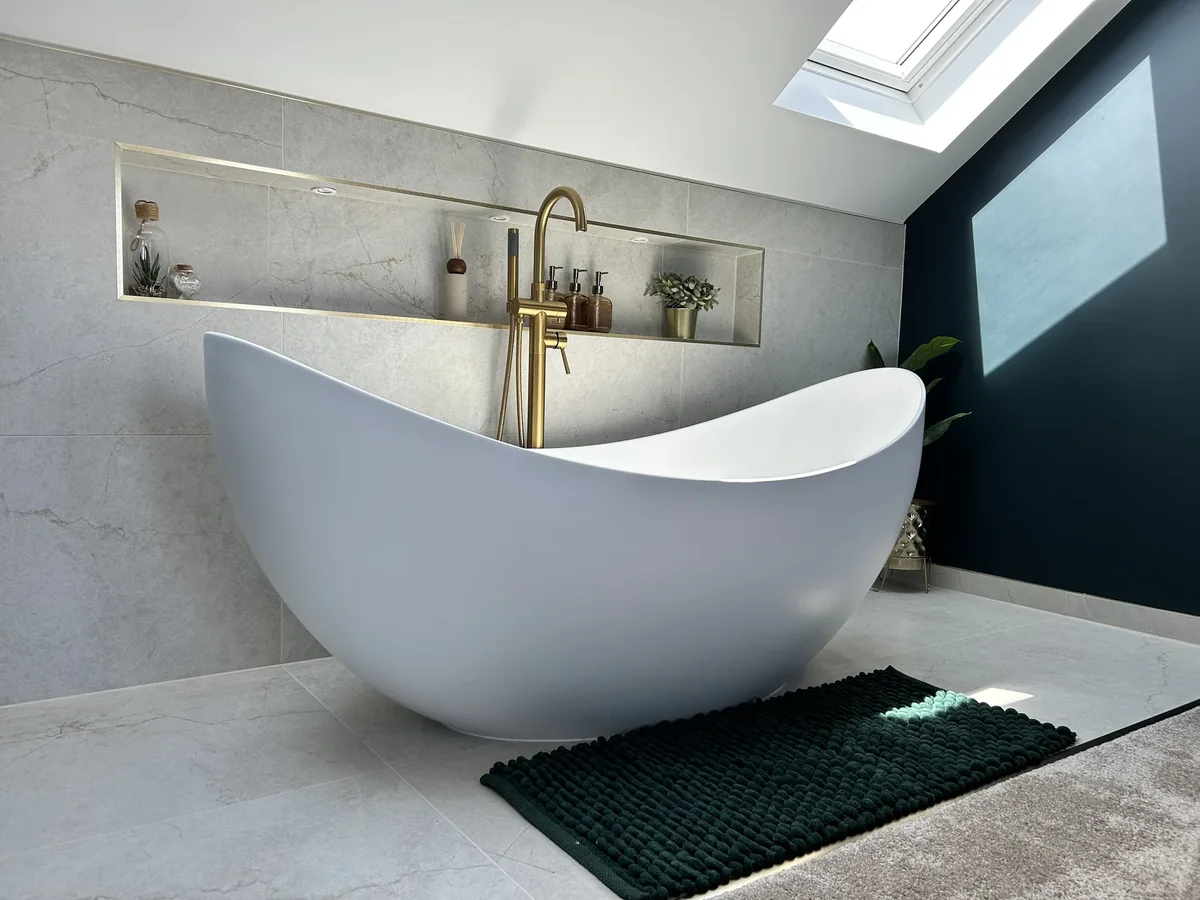
For tiling, state the intended surfaces and finish instead of simply writing full bathroom. Ask how preparation, edges, niches, access panels and junctions will be handled. Have the contractor specify the appropriate preparation and waterproofing approach for the actual installation; a photograph of finished tiles cannot verify the concealed construction.
Our bathroom service page provides the enquiry route. Bring photographs and a prioritised list: essential changes, preferred finishes and optional extras. Request the optional items separately. That makes it easier to reduce spending deliberately rather than discovering that the cheaper quotation quietly omitted a task you expected.
If you buy the products yourself
Agree who checks compatibility, counts deliveries, reports damage and arranges replacement parts. Ask what happens to the fitting programme if an item is missing or unsuitable. Keep the product paperwork and written responsibilities together. A sale discount is only useful once you understand the remaining installation cost and delivery risk.
Check the approval route for your Rugby room
Replacing bathroom fittings and creating a bathroom in another room require different checks.
Planning Portal says a refit with new units and fittings does not generally require building regulations approval, but associated drainage or electrical work may. Creating a bathroom where there was none before is likely to require approval. Ask about the complete proposal, including services, rather than treating the room label as an answer.
GOV.UK lists bathroom plumbing and electrical changes near baths or showers among work that may need approval. Ask who will carry out relevant work, which approval or notification route applies and what documentation you will receive. Where somebody relies on scheme registration, ask how you can verify the relevant registration yourself.
Rugby Borough Council distinguishes planning permission from technical approval and warns that property restrictions can differ. An external alteration or a protected property deserves a specific check. Do not treat a neighbour's refit as permission for yours. Ask the appropriate authority or adviser about the proposed work before relying on a general guide.
Write the approval responsibilities into the price comparison. Identify who arranges any application, pays the relevant fee and coordinates inspections when required. If the bathroom forms part of an extension, use the Rugby extension planning guide for that separate planning discussion. A bathroom fitting quote alone does not settle it.
Check the guidance: Planning Portal: bathroom refits and approval, GOV.UK: building regulations approval, Rugby Borough Council: property permission checks.
Reconcile VAT and changes before accepting
Compare totals only after bringing them to the same scope and tax basis.
GOV.UK says most building work on existing houses and flats attracts standard 20% VAT, with exceptions. Ask each supplier whether VAT applies and whether the displayed total includes it. Do not add tax to an inclusive quotation or assume that an external guide's unexplained amount is tax inclusive.
Consider a hypothetical comparison, not a market estimate: quotation A is £2,000 excluding 20% VAT, so £400 tax makes £2,400. Quotation B is £2,600 inclusive, but includes an agreed task excluded from A. If adding that task to A costs a hypothetical £200 inclusive, both comparable totals become £2,600.
The example only works because the scope and tax basis have been made explicit. Do not apply its invented component amount to your own room. Replace every line with a written figure from the relevant supplier. Keep owner-purchased products visible alongside the contractor total so they do not disappear from the household budget.
Agree how concealed defects will be recorded after strip-out. Request a description, photographs where useful, the proposed solution and its price and timing effects before authorising extra work. Keep a separate list of unresolved allowances. The home insurance preparation guide can help organise a separate conversation with your insurer where significant work is proposed.
Keep an agreed change record
Give each change a short reference and save the accepted version of the scope. Note what it replaces, who supplies additional products and whether it affects other trades. Ask for clarification when a cost is an estimate rather than a fixed addition. A clear record helps both sides understand the revised price.
Check the guidance: GOV.UK: VAT on work to houses and flats.
Agree what finished means before work starts
A usable bathroom and a completed fitting contract can be different milestones.
Ask for the proposed work sequence and identify when essential facilities will be unavailable. Explain if this is your only bathroom and discuss practical arrangements before booking. Request a programme for your actual scope rather than assuming a guide duration is a promise. Keep product availability and unresolved decisions on that programme.
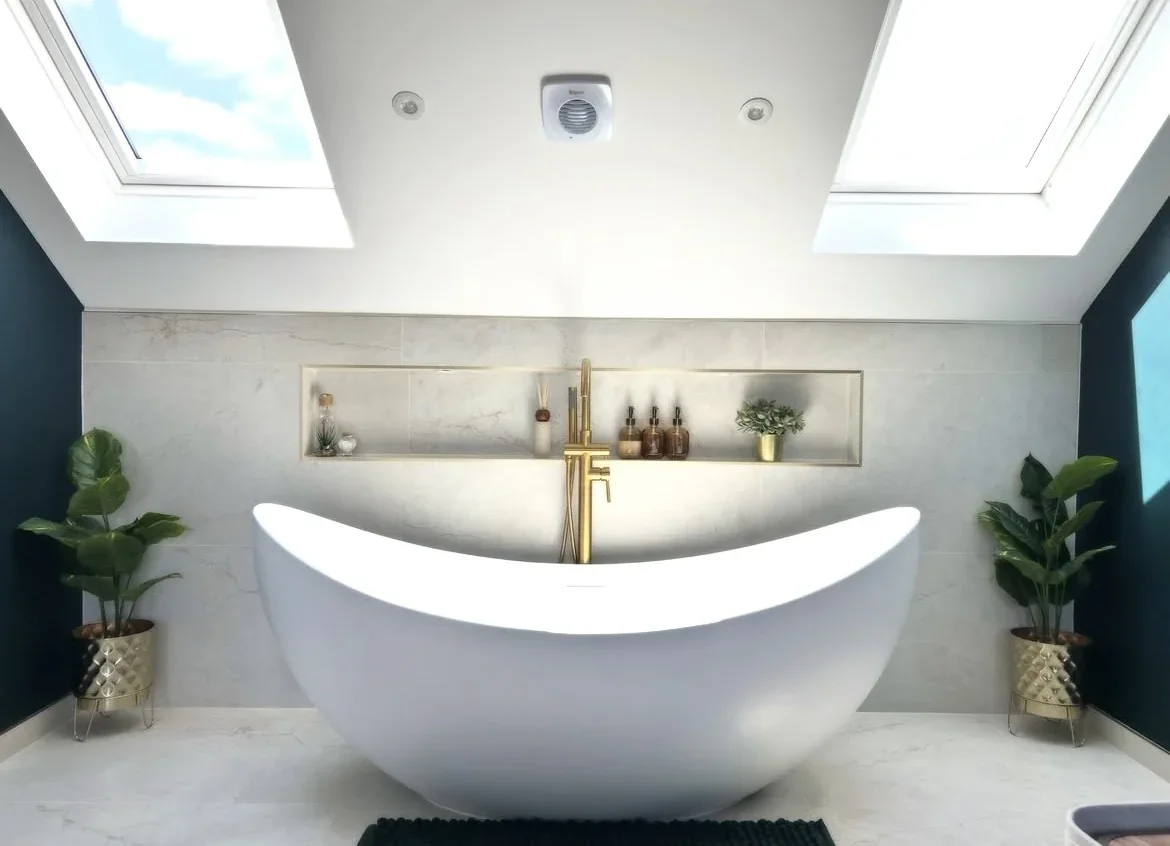
Prepare a handover list at quotation stage. Include the agreed functional checks, relevant electrical or approval documents, product instructions and responsibility for outstanding items. Ask how issues should be reported after handover and what workmanship terms apply. Keep those terms in writing rather than inferring a guarantee from photographs or a positive review.
At the final review, walk through the agreed scope and record incomplete items with a responsible person and next step. Follow the agreed payment terms and seek clarification where the scope or invoice differs. Use the original product schedule to check that a substitution was accepted, rather than treating every visual difference as an agreed change.
For a first discussion, send the same brief you used for the comparison: Rugby postcode, room dimensions, photographs, proposed layout and product choices. State the access constraints and anything still undecided. Belmax can discuss the building scope from that information; the researched national figures on this page remain guidance rather than a quotation.
What clients say
Recent words from Belmax clients.
Three public five-star review excerpts, checked 24 September 2026.
“We have been really happy with the service from Belmax Builders. They are reliable, professional and, most importantly, always kept to the agreed schedule.”
“Belmax did the job to very high standard, communicated with us the whole time and explained really well what to expect.”
“Job was started on time and Rob kept us up to date every step of the way. The finished conversion looks amazing.”
Frequently asked questions
How much does a bathroom fitter cost in Rugby?
A reliable price needs the room and fitting scope assessed. This guide uses external UK benchmarks rather than a measured Rugby average or a Belmax quotation. Ask whether each price covers preparation, installation, specialist trades, finishing and waste, and confirm VAT separately. Give every contractor the same room information and product schedule so differences in the figures can be explained before you accept a quotation.
Does fitting labour include the bathroom suite?
Only if the quotation says so. Keep the purchase of the bath, basin, toilet, taps and other products separate from installation until supply responsibility is agreed. Ask about smaller components and who checks compatibility before delivery. A labour description may cover connecting specified products without buying them. Record owner-supplied items alongside the contract total so you can see the complete household budget rather than just the fitting invoice.
Is it cheaper to keep the existing bathroom layout?
Ask the fitter to compare the two defined options. Keeping fixture positions may avoid some alterations, but it does not establish the condition of concealed pipework, walls or floors. A replacement product can also require different connections or preparation. Have the contractor identify what can be priced after inspection and what remains an allowance. Compare complete options rather than assuming that unchanged positions guarantee the lowest final cost.
Do I need building regulations approval for a refit?
Planning Portal says replacing units and fittings does not generally require approval, although associated drainage or electrical work may. A new bathroom in a room that did not have one is likely to require it. Check the actual work with the appropriate building control body or competent professional, including who handles notification and documentation. Planning permission is a separate issue, particularly where the proposal changes the building externally or restrictions apply.
What should I send before asking for a fitting quote?
Send your postcode, room dimensions, clear photographs and a simple plan showing which fittings stay or move. Include product references where selected, the intended tiled areas and any known condition problems. Explain access, delivery constraints and whether this is your only bathroom. Separate essential work from optional upgrades. Tell the contractor what remains undecided so the quotation can identify assumptions rather than presenting uncertain work as a fixed scope.
Sources
Figures, fees and rules change. Every source below was checked on 24 October 2026.
- Checkatrade: bathroom fitter costsUpdated June 2026. UK day and project labour bands; VAT basis not clearly stated.
- FMB: bathroom renovation cost breakdownExternal member examples for different renovation scopes; not Rugby rates. Source VAT basis not established.
- Planning Portal: kitchen and bathroom approvalRefitting versus creating a room and associated drainage/electrical checks.
- GOV.UK: building regulations approvalCheck the approval route for actual proposed work.
- Rugby Borough Council: permission checksProperty restrictions and separate technical approval.
- GOV.UK: VAT for buildersStandard 20% treatment for most work, with exceptions.