
A builder payment schedule needs four things for each stage: the work covered, the amount, the evidence of completion and the payment deadline. Agree them before work starts on your Rugby extension. A list of percentages alone leaves important questions unanswered, especially when materials arrive late or the design changes. The aim is a workable arrangement for both homeowner and contractor, with money following the agreed terms and progress being recorded clearly. This guide explains the questions to settle, shows a hypothetical payment reconciliation and separates construction inspections from the decision to approve an invoice. It does not describe Belmax payment terms.
The short answer
Agree what triggers each payment
For a Rugby extension, put each payment stage in the written agreement with its scope, amount, completion check and due date. Identify any advance materials payment separately, confirm VAT and keep a running total of invoices and receipts. Agree changes and any retention before they arise. A payment schedule is project specific; an example online cannot determine what your contract requires.
Build the schedule from the agreed work
Payment stages need a shared definition of completion.
Begin with the accepted specification, drawings and quotation. Give each document a date or version reference so the payment schedule points to the same work. If decoration, kitchen installation or external paving is excluded, keep that exclusion visible. A stage called finished extension means little if each person imagines a different endpoint.
Write a short completion description beside each proposed instalment. For example, ask what the contractor means by weatherproof and which openings, coverings or temporary measures are included. The purpose is to agree the language before an invoice arrives, rather than to create a technical specification without a designer.
Name the person who will review progress and how they will do it. A homeowner walk-through, a professional valuation and a building control visit have different purposes. If your architect or another adviser will administer the contract, establish their appointment, fee and role before relying on their involvement.
FMB homeowner guidance recommends checking the relevant stage has been completed before paying and keeping payment records. Use the quotation checklist to organise the underlying scope. The payment sheet should refer back to it, rather than becoming a second, conflicting description of the work.
Check the guidance: FMB: choosing and working with a builder.
Use a milestone evidence worksheet
A useful trigger describes an observable result, not simply elapsed time.
For a Rugby extension, map the proposed work sequence before allocating payments. Ask the contractor to explain why the stages fit this particular project. A fortnightly review can be useful, but clarify whether it measures actual progress or creates an automatic instalment. Those arrangements can produce different invoices when work is delayed.
The worksheet below is a discussion aid, not a standard payment contract or instruction to pay at these stages. Complete it with the people responsible for the design and contract. Some jobs need smaller stages; others use assessed interim valuations. Avoid copying percentages from another house merely because its photographs look similar.
Include dependencies. If glazing must be delivered before a stage can be achieved, record what happens when it is late. Ask how partially completed work is valued and approved. Do not assume that a revised programme also revises the payment obligation unless the agreed process says how that change is made.
Test each proposed stage against a simple delay scenario before accepting it. Suppose the roof covering is finished but the doors have not arrived: would this satisfy the wording you have written? Ask both parties to answer independently, then resolve any difference. Repeat the exercise for an incomplete services package or a finish awaiting a product choice. This checks the clarity of the proposed trigger without pretending to value the work or predict the legal outcome of a future dispute.
| Possible work package | Define before signing | Keep with the invoice |
|---|---|---|
| Groundworks | Exact extent and relevant inspection responsibilities | Agreed progress record and exceptions |
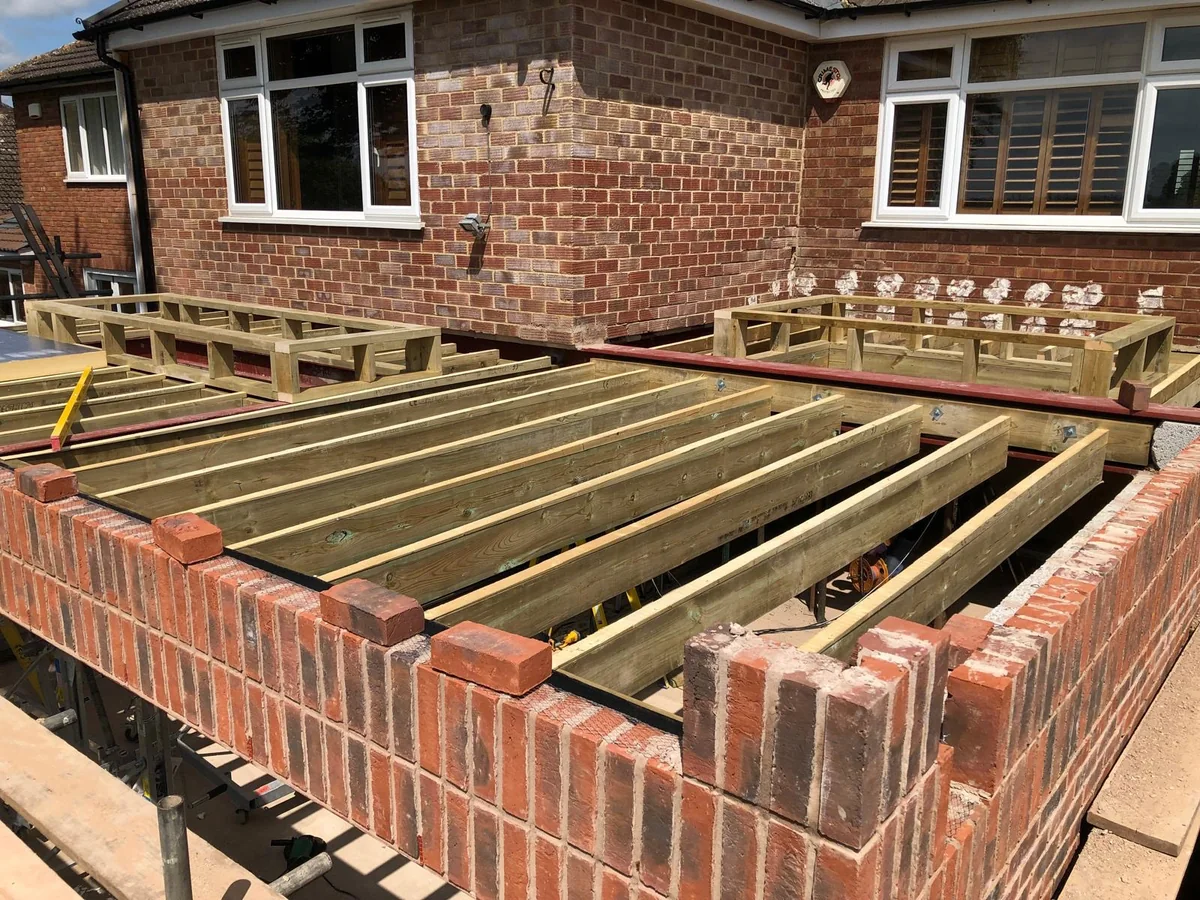
| Structure | Included walls, supports and roof work | Stage description and review record |
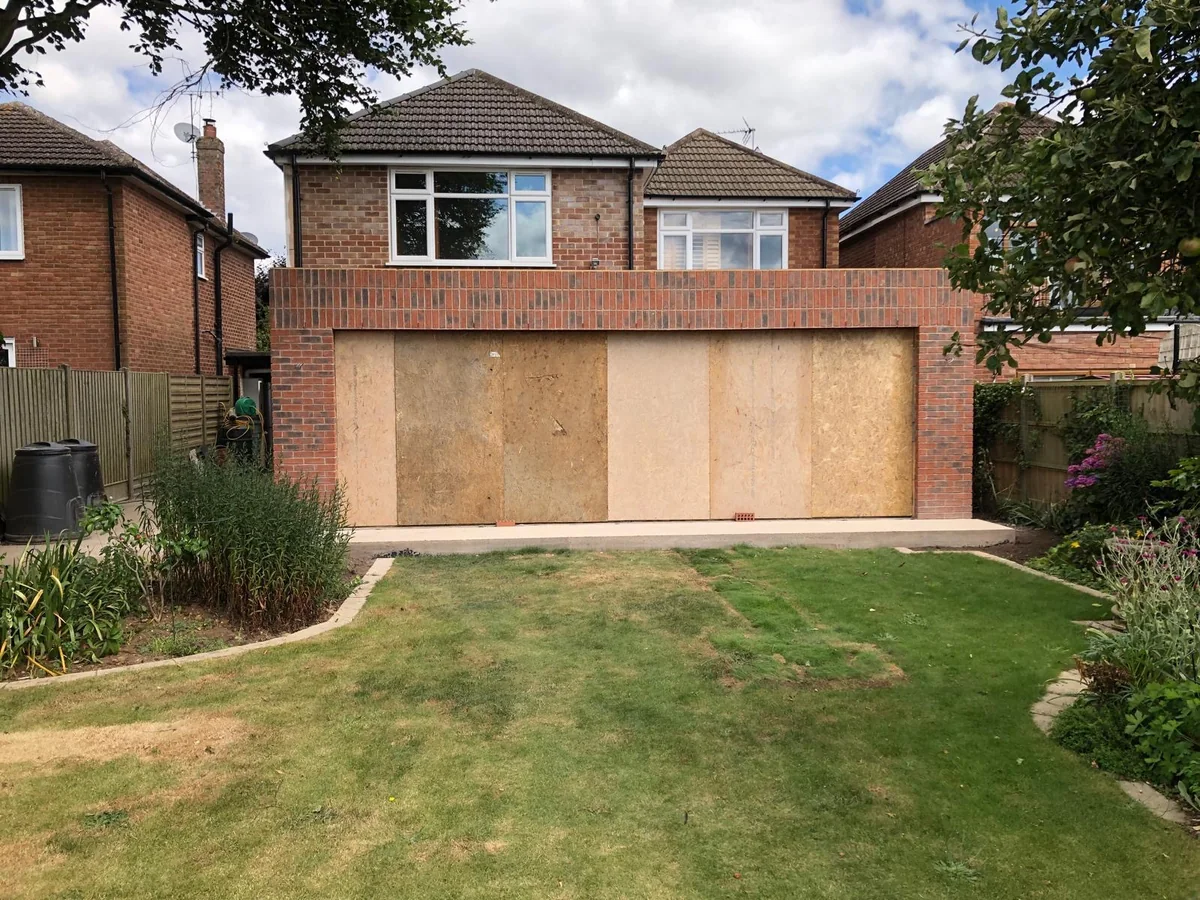
| Weather protection | Which coverings, windows and doors are included | Delivery status and outstanding items |
| Services and finishes | Which first fix, second fix and finishing work is included | Agreed specification and changes |
| Completion | Handover scope and outstanding-work procedure | Documents, snag list and payment reconciliation |
Identify deposits and advance materials separately
An advance payment needs a clear purpose and written terms.
Ask what an initial payment funds: reserving the start, a specified order or another defined commitment. Record the amount, timing and what happens if either party cannot proceed. There is no useful universal percentage to lift from this article. A proposed advance should be understood in the context of the actual work and agreement.
For made-to-order products, ask for the specification, supplier, order value and expected delivery. Establish who orders, who receives the invoice, where the items will be stored and who deals with loss or damage. Ask how ownership is addressed if you pay before delivery. Obtain appropriate contract advice where these arrangements are significant.
TrustMark advises written contracts, written changes and payments against completed work, while recognising that a contribution towards purchased materials may be requested. This is a reason to distinguish an agreed product purchase from a vague request for the next stage early. Do not assume an advance is protected by an insurance policy or scheme.
Keep the receipt and connect the payment to its invoice reference. If a supplier asks you to pay directly, agree with the contractor how that affects the remaining contract balance and responsibilities. Otherwise the same product can appear in both your direct spending and a later contractor invoice.
Verify the payment destination
FMB warns homeowners to be careful if bank details change. Confirm any change through a contact route you already know, rather than relying solely on the message announcing it. Match the invoice to the agreed contracting business and retain the confirmation. Pause to clarify an unexplained difference before transferring money.
Check the guidance: TrustMark: homeowner contracts and payments.
Keep a cumulative total, including VAT
Each invoice should reconcile with the agreed price and earlier payments.
Confirm whether VAT applies and whether every displayed amount includes it. GOV.UK states that most building work on houses and flats attracts standard 20% VAT, with exceptions. Ask the supplier to state the actual treatment. The tax basis of the project total and individual instalments must be consistent.
Here is arithmetic only, not an extension cost estimate or Belmax offer. Suppose the agreed work is £50,000 excluding 20% VAT. Tax is £10,000 and the inclusive total is £60,000. If receipts already total £18,000 inclusive, an agreed cumulative valuation of £30,000 inclusive leaves £12,000 for the next invoice.
The remaining £30,000 in that example is the unpaid balance, not automatically money due now. Its timing depends on the agreement. Do not add another £18,000 because an invoice shows cumulative progress, and do not add VAT twice. Ask for an explanation when the current invoice and running total do not reconcile.
Keep a simple ledger with invoice reference, original amount, agreed adjustment, amount paid and date. Show direct supplier payments separately until their treatment is agreed. If a change increases the contract sum, update the overall total and remaining stages so the final account does not depend on reconstructing scattered messages.
Keep the household budget distinct from the contract ledger. Your designer, application fees, owner-purchased products and temporary accommodation may be paid outside the building contract. Add those actual commitments to a separate forecast with their expected dates. Mark estimates as estimates and update them when an order is accepted. This lets you plan available funds without accidentally treating an external expense as a payment already made to the contractor.
Check the guidance: GOV.UK: VAT on building work.
Separate inspections, progress and contract changes
Technical approval does not by itself establish a payment entitlement.
Rugby Borough Council explains that permitted development rights can be removed or restricted and that building regulations approval may still be required without planning permission. Resolve the property-specific planning route before committing to the programme. An assumed permission route can affect when work can start, but it does not write the payment terms.
GOV.UK distinguishes building regulations approval from planning permission. Ask who arranges the necessary technical checks and retains the records. If an inspection matters to a contractual stage, make that relationship explicit. A site visit is not automatically a valuation of completed work or confirmation that every contract item is finished.
For your Rugby project, record who will advise on any separate neighbour or Party Wall matters before work begins. Do not use payment approval as a substitute for resolving those duties. Our extension planning guide and programme guide provide related preparation questions.
When the scope changes, capture the request, revised work, price basis and timing effect. Ask which existing allowance it replaces and how any additional payment will be handled. Keep the accepted version with the original specification. A conversation about moving a window should not leave its cost and programme implications to guesswork.
When a stage is disputed
Raise the specific difference promptly and refer to the agreed description and review process. Request an itemised explanation and record the response. Follow the contract procedure and obtain independent advice if the issue cannot be resolved. This guide cannot decide what is owed or recommend withholding a particular invoice.
Check the guidance: Rugby Borough Council: property checks, GOV.UK: technical approval.
Agree the final account and handover process
Final payment and any retention must follow the agreed contract.
Before signing, define the handover information expected for the scope: relevant approval records, product instructions, agreed checks and a list of unfinished items. Ask how defects are reported and who responds. Do not assume that moving furniture into the room means every document or contract responsibility has been completed.
If retention is proposed, agree its amount, purpose, release conditions and review date beforehand. Treat it as part of the contract discussion, not a percentage you can impose later. Distinguish unfinished original work, a reported defect and a new request. They need different descriptions even if raised at the same meeting.
FMB cashflow guidance emphasises clear contractual stages, due dates and arrangements for missed payments. That matters to both sides: homeowners need time to check an invoice and builders need predictable payment for agreed work. Plan the review process so queries are raised before the due date rather than after it.
For an initial discussion with Belmax, send the postcode, drawings, photographs and priorities for your extension. Note what is unresolved and which adviser is involved. Start with a sound scope through the Rugby extension service, then request the proposed price and payment arrangements in writing. This article makes no offer of credit or promise about Belmax terms.
Check the guidance: FMB: contractual stages and cashflow.
What clients say
Recent words from Belmax clients.
Three public five-star review excerpts, checked 24 September 2026.
“We have been really happy with the service from Belmax Builders. They are reliable, professional and, most importantly, always kept to the agreed schedule.”
“Belmax did the job to very high standard, communicated with us the whole time and explained really well what to expect.”
“Job was started on time and Rob kept us up to date every step of the way. The finished conversion looks amazing.”
Frequently asked questions
What should a builder payment schedule include?
Include a description of each stage, the amount and VAT basis, how completion is checked and when the invoice becomes payable. Record deposits or advance product purchases separately, alongside the agreed change process. Keep cumulative payments and the remaining balance visible. For a Rugby extension, use the same specification and drawing references as the main agreement so the payment schedule does not describe a different project.
What deposit percentage should I pay a builder?
There is no percentage recommended by this guide for your project. Ask what the proposed payment funds, why it is needed and which terms apply if the job or order changes. Where materials are involved, identify the products, ordering responsibility, delivery arrangements and how ownership is addressed. Read the agreement and seek independent advice if a substantial advance remains unclear before committing to a payment.
Should stage payments follow dates or completed work?
Agree the basis explicitly. A calendar can set review and invoice dates, while the amount may depend on assessed progress or a defined milestone. Ask what happens if work is delayed or partly finished at that point. A schedule copied from another job may not suit your scope. Record the agreed approach and checking process before starting rather than interpreting an invoice only when it arrives.
Does building control approval mean a stage invoice is due?
Not automatically. Building control and contractual payment checks serve different purposes. Your agreement needs to explain any connection between an inspection, a completed stage and the payment deadline. Ask who arranges the technical inspection and who assesses the work for payment. Planning permission is another separate question. If the contract wording is uncertain, obtain appropriate advice rather than assuming one official visit settles the financial position.
Can I hold back the final payment until snagging is finished?
Follow the agreement and obtain advice if the position is disputed. Define completion, outstanding work, defects and any retention arrangements before signing, including the amount and release conditions where relevant. Keep a written list with responsibilities and agreed next steps. This guide does not establish a right to withhold a particular sum or determine when your final invoice is due under a specific building contract.
Sources
Figures, fees and rules change. Every source below was checked on 25 October 2026.
- FMB: choosing a builderWritten stages, payment records and changed bank details.
- TrustMark: homeowner guidanceWritten contracts, changes and materials contributions.
- GOV.UK: VAT for buildersStandard 20% treatment, with exceptions.
- Rugby Borough Council: planning checksProperty-specific restrictions and separate technical approval.
- GOV.UK: building regulations approvalApproval checks before relevant construction or alteration.
- FMB: cashflow and contractsContractual stages, amounts and due dates.